December 12, 2025
Choosing the right roofing material is one of the most important decisions a homeowner can make. A roof protects your home from the elements, improves energy efficiency, and contributes significantly to the aesthetic appeal and value of your property. Among the many roofing options available, composite shingles and copper roofing are two of the most popular. Each has unique advantages and considerations, and the choice largely depends on factors such as budget, climate, style, and long-term maintenance expectations. Professional composite roofing services can provide guidance, ensuring that homeowners choose a material that balances durability, performance, and visual appeal.
Composite shingles and copper roofing both serve the same primary function: protecting your home. However, their performance, longevity, and aesthetic characteristics differ greatly. Composite shingles are a versatile and affordable solution, while copper offers unmatched elegance and durability. Understanding these differences is crucial to making a decision that satisfies both practical needs and personal preferences. This article provides a general overview to help homeowners evaluate these options, offering insights into materials, costs, climate considerations, design compatibility, installation, maintenance, and long-term value.
Material Composition and Durability
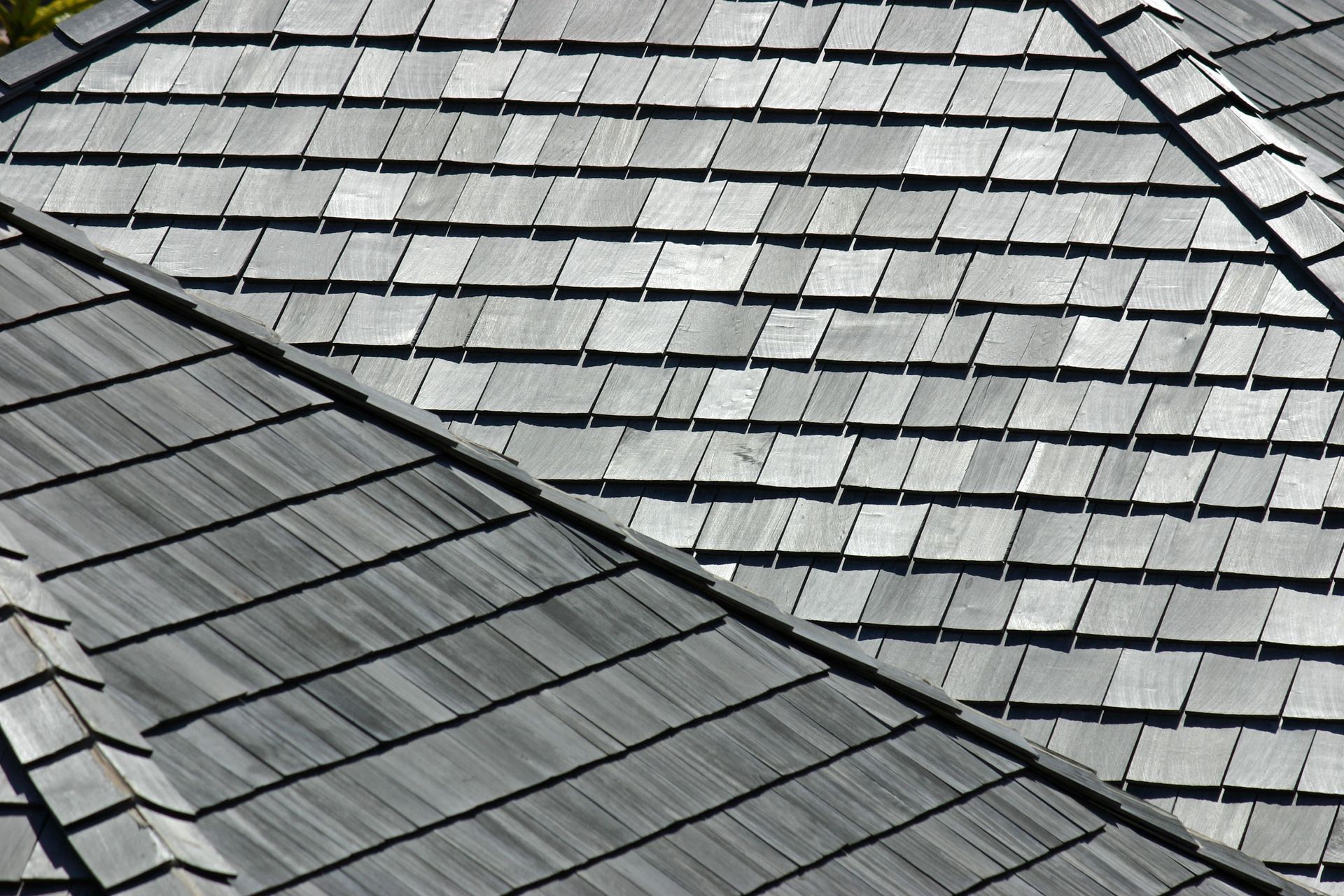
Composite shingles are made from a combination of asphalt, fiberglass, and mineral granules. This layered construction creates a durable, weather-resistant material that mimics the appearance of natural slate or wood at a fraction of the cost. Composite shingles are lightweight, which reduces stress on the structure of your home while offering strong protection against UV damage, wind, rain, and fluctuating temperatures.
Copper roofing, on the other hand, is naturally resistant to corrosion and weathering. It can withstand extreme weather, including heavy snow, hail, and strong winds, and its ability to expand and contract with temperature changes prevents cracking and structural stress.
One of the standout advantages of composite shingles is their longevity. According to Today's Homeowner, quality composite shingles can last 40 to 50 years or more, providing a durable, low-maintenance solution for homeowners seeking long-term reliability. Professional composite roofing services ensure proper installation, which maximizes durability and protects against common issues such as leaks or premature wear.
Cost and Financial Considerations
When it comes to cost, composite shingles are generally more affordable than copper. Both the materials and labor involved in installation are less expensive, making them a practical choice for many homeowners. This affordability allows homeowners to invest in other aspects of their property while still receiving a reliable roofing solution. Composite roofing services can help estimate costs accurately, ensuring that homeowners understand the total investment required.
Copper roofing, in contrast, carries a higher initial price due to the premium materials and specialized installation required. While the upfront cost is higher, copper offers long-term financial benefits. Its durability reduces the frequency of repairs or replacements, and its aesthetic appeal can increase property value. Over decades, the reduced maintenance and exceptional longevity of copper can offset the initial expense. Homeowners need to balance short-term affordability with long-term investment potential when choosing between these materials.
Maintenance costs also differ between composite and copper roofs. Composite shingles may require periodic inspections and minor repairs, while copper roofs generally need minimal upkeep due to their natural resistance to environmental damage. Evaluating both upfront costs and long-term savings is essential in choosing a roofing material that aligns with your financial goals.
Climate and Weather Performance
Climate and regional weather patterns play a critical role in determining the best roofing material for a home. Composite shingles are engineered to withstand harsh weather conditions, including heavy rain, snow, and moderate wind. Their layered construction provides insulation, helping maintain consistent indoor temperatures during colder months. Some composite shingles also feature reflective granules that reduce heat absorption in warmer climates, contributing to energy efficiency. Proper installation by professional composite roofing services ensures that shingles perform as intended in diverse weather conditions.
Copper roofing excels in both hot and cold climates. Its ability to expand and contract with temperature changes reduces the risk of damage caused by freezing and thawing. Copper also reflects sunlight, which helps keep homes cooler in the summer, reducing energy costs. Its non-porous surface prevents moisture absorption, mold, and algae growth, making it ideal for humid areas. Both materials provide resilience against extreme weather, though copper may offer superior performance in regions prone to hail, strong winds, or rapid temperature fluctuations. Homeowners should consider these factors to choose a roof that protects their home effectively year-round.
Aesthetic and Design Compatibility
The choice of roofing material significantly influences a home's appearance and style. Composite shingles are versatile, with a wide range of colors, textures, and styles. They can mimic natural wood or slate, making them suitable for traditional homes, while their smooth and modern finishes complement contemporary architecture. Homeowners can achieve a customized look without compromising durability or performance.
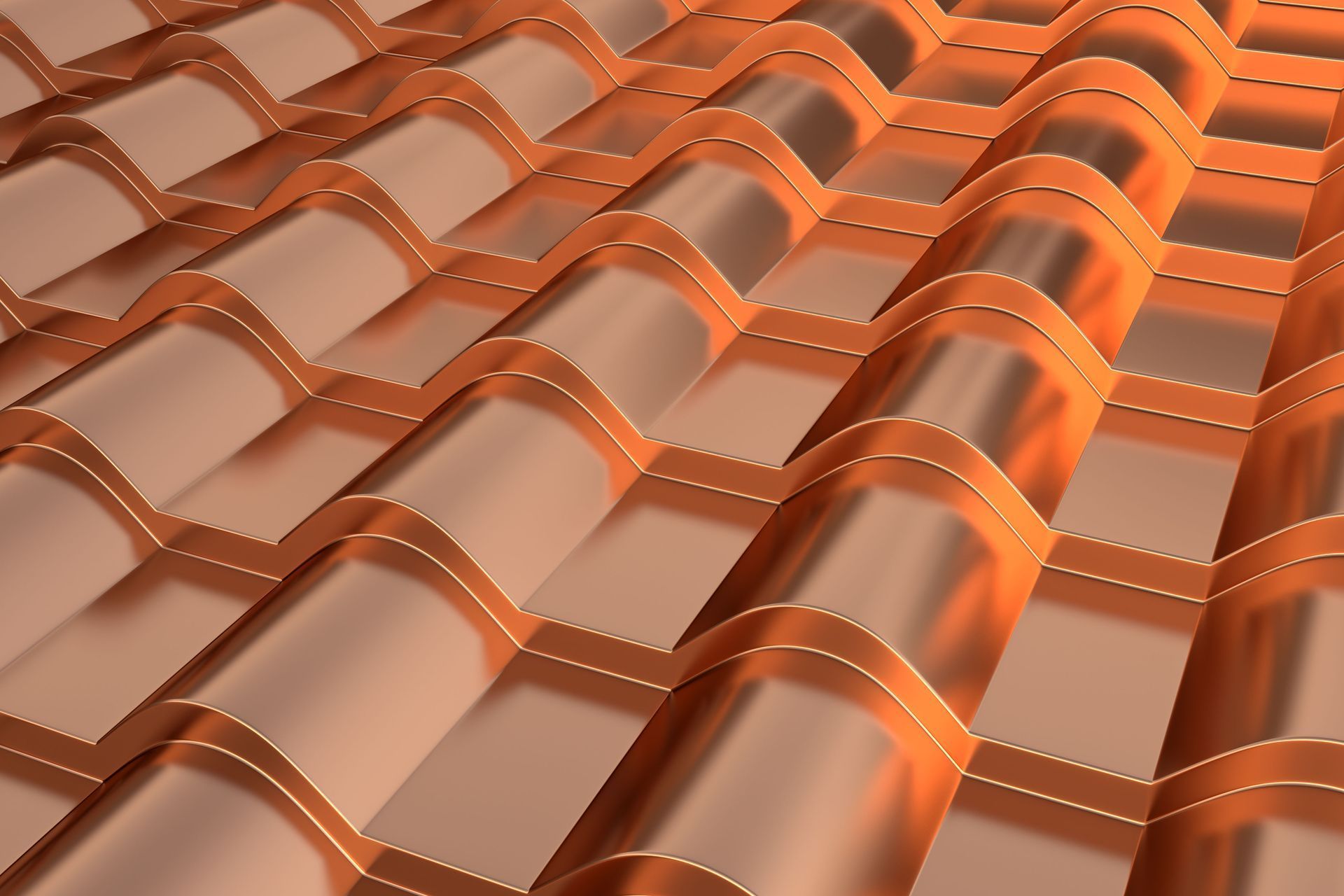
Copper roofing offers a premium aesthetic with its distinctive metallic tones. Over time, copper develops a patina that adds character while providing additional protection from the elements. This natural aging process creates a dynamic and visually appealing roof that enhances both traditional and modern architectural styles. Both composite shingles and copper can be tailored to match the home's design, allowing homeowners to choose a roofing solution that boosts curb appeal and property value.
Installation and Maintenance Requirements
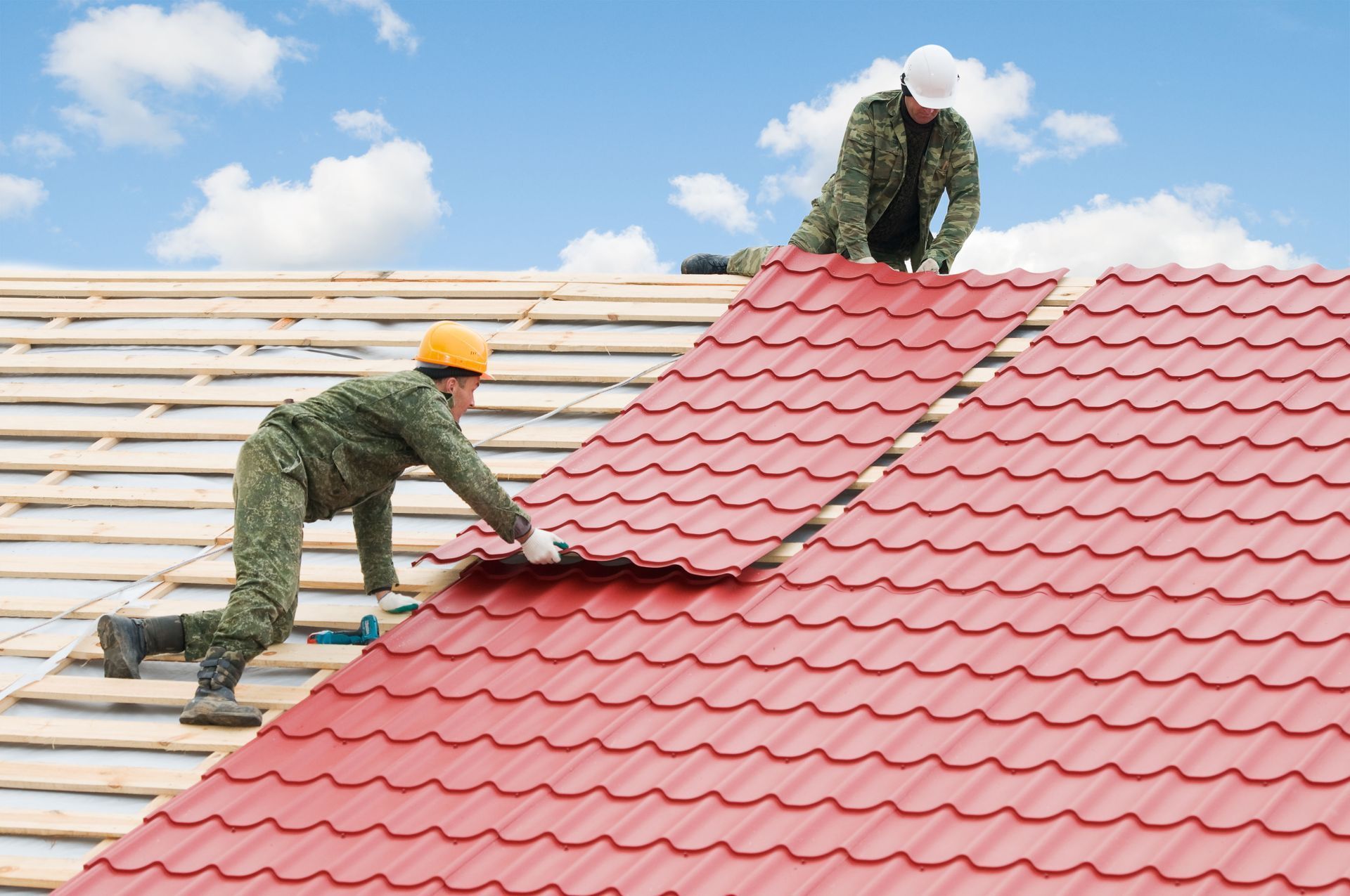
Composite shingles are relatively easy to install, making them widely available and cost-effective. Professional composite roofing services ensure proper installation, which maximizes lifespan and prevents common issues such as leaks, curling, or premature wear. Routine inspections and occasional minor repairs are generally sufficient to maintain optimal performance.
Copper roofing installation requires specialized skills and experience due to the complexity of working with metal panels. While this increases installation costs and time, the result is a durable, long-lasting roof that requires minimal maintenance. The patina that forms naturally on copper provides ongoing protection, reducing the need for regular upkeep. Proper installation is critical for both composite and copper roofing to ensure longevity and structural integrity. When installed correctly, composite shingles can last 40 to 50 years or more, while copper roofs often exceed a century of reliable service.
Long-Term Value and Sustainability
Long-term value is an important consideration in selecting a roofing material. Composite shingles provide affordability, versatility, and durability, making them a practical choice for many homeowners. Many shingles are also made from recycled materials, contributing to sustainability and reducing environmental impact over time. Professional composite roofing services can help homeowners choose environmentally friendly options without sacrificing performance or aesthetics.
Copper offers exceptional long-term value due to its longevity, minimal maintenance needs, and recyclable properties. Its aesthetic appeal and durability can enhance property value, while its resistance to weather and environmental damage ensures consistent performance over decades. Both materials provide benefits that extend well beyond the initial installation, allowing homeowners to make choices that align with financial goals, environmental considerations, and lifestyle preferences.
Decision-Making and Expert Guidance
Choosing between composite shingles and copper roofing ultimately requires balancing several factors: durability, aesthetics, climate suitability, budget, and long-term maintenance. Composite shingles offer a cost-effective, versatile solution with long-lasting performance, while copper provides unmatched elegance, low maintenance, and century-long durability. Evaluating your home's unique needs and priorities ensures that your roofing investment delivers the greatest value.
Professional composite roofing services can guide homeowners through this process, helping assess the advantages and limitations of each material. With expert installation, maintenance advice, and design guidance, homeowners can select a roof that meets both practical and aesthetic goals. By understanding the characteristics, benefits, and limitations of composite shingles and copper roofing, homeowners can make informed decisions that enhance the beauty, functionality, and value of their property. For expert roofing solutions and professional guidance, contact Totin Too, LLC today.