November 20, 2026
Selecting the ideal roofing system represents one of the most critical structural and financial decisions a property owner will ever make. Your roof serves as the primary barrier against severe climatic elements, insulating your interior living spaces, preserving structural framing, and anchoring exterior curb appeal. Across the modern building industry, manufacturing innovations have expanded residential roofing far beyond basic traditional covers, presenting homeowners with diverse performance profiles, price points, and architectural designs. However, navigating these choices requires an understanding of how distinct materials withstand local climates, seasonal temperature fluctuations, and environmental wear over decades of exposure.
Evaluating your options demands balancing immediate installation expenses against long-term maintenance requirements, energy efficiency ratings, and overall life expectancy. A poorly chosen roof can lead to premature degradation, recurring leaks, and soaring utility bills that place immense strain on your household finances. Conversely, investing in the right material elevates property value, complements exterior architectural styling, and delivers lasting peace of mind. By examining the unique physical properties and practical applications of today's premier roofing categories, you can confidently determine the most dependable protective solution for your residential structure.
1. Installing Asphalt Shingles
Asphalt shingles remain the most widely installed residential roofing product across North America due to their balance of affordability, accessibility, and straightforward installation. Fabricated from a resilient fiberglass reinforcement mat coated with water-resistant asphalt and mineral-protective granules, these products provide dependable defense against moisture intrusion and ultraviolet radiation. Homeowners can select from classic 3-tab designs, dimensional architectural varieties that impart dramatic shadow lines, or multi-layered luxury profiles crafted to emulate traditional hand-cut materials. Their lightweight engineering fits standard roof decks easily without requiring structural reinforcement, keeping labor requirements and overall project timelines relatively modest.
Despite their widespread appeal, traditional asphalt compositions possess a shorter working lifespan than their premium rivals, frequently showing wear after fifteen to twenty-five years. Thermal blistering, moss growth, and severe granular loss can compromise waterproofing seals, leaving underlayment vulnerable during severe hailstorms or heavy winter precipitation. According to Today's Homeowner, when a roof is over 20 years old and requires constant repairs, replacement is often the smarter solution. Property owners facing repetitive repairs frequently upgrade from standard asphalt assemblies to advanced alternative systems, relying on professional composite roofing services to secure superior weather protection and extended manufacturer warranties.
2. Fastening Metal Roofing
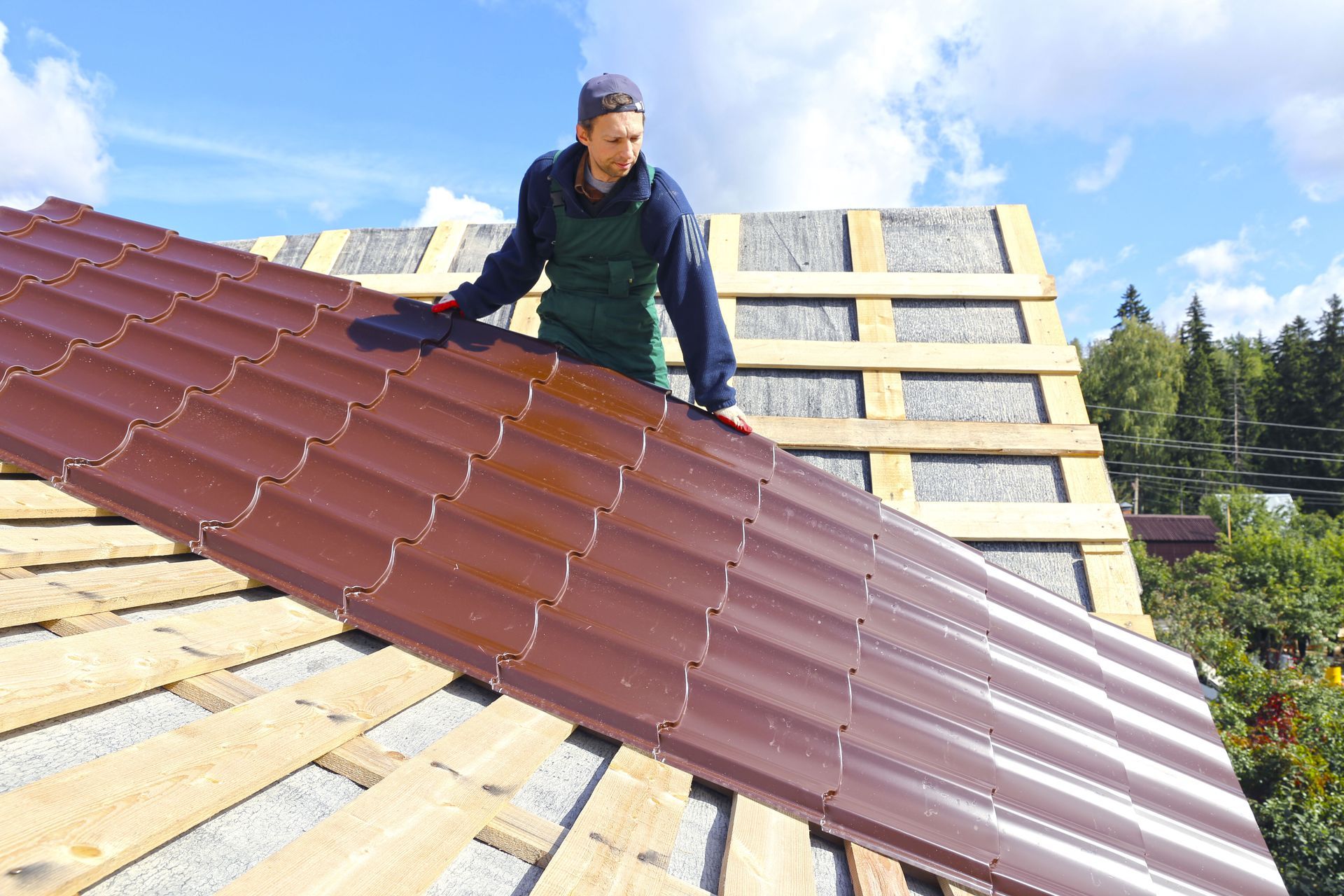
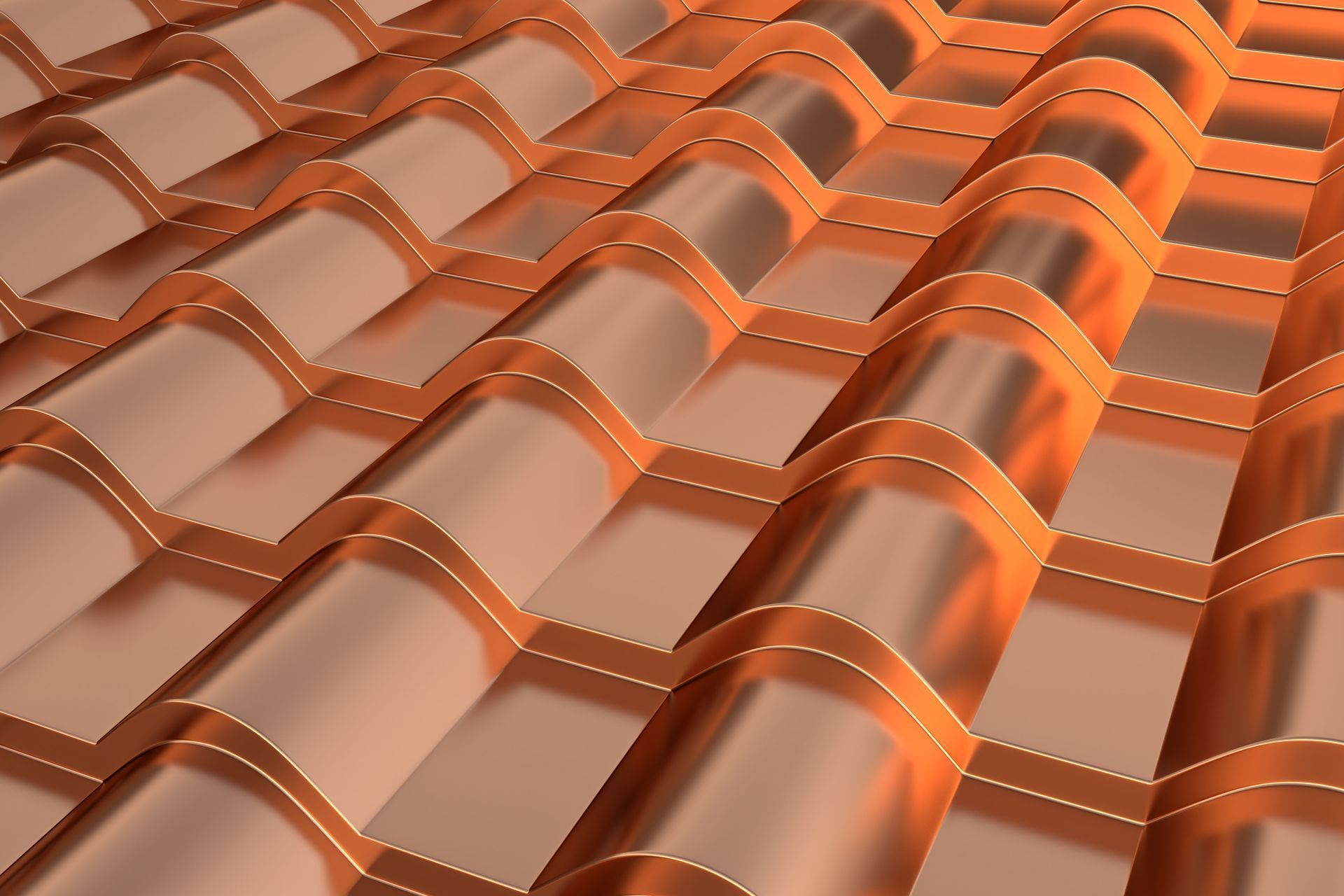
Metal roofing systems have surged in popularity among contemporary homeowners seeking remarkable structural longevity, clean modern lines, and superior environmental resilience. Fabricated primarily from high-grade aluminum, galvanized steel, or natural copper, these roofs endure blistering summer sun, severe seasonal hail, and sustained high winds with minimal physical deterioration. Concealed fastener standing-seam systems allow metal panels to expand and contract freely along interlocking vertical seams without exposing delicate screw penetrations to ambient rainwater. Furthermore, factory-applied reflective polymer pigments effectively deflect radiant solar energy, keeping attics cooler and substantially reducing annual cooling expenses in warmer regions.
While metal roofs provide extraordinary lifespans spanning forty to seventy years, they represent a significant upfront financial commitment compared to traditional alternatives. Specialty metal tooling and specialized crew training drive higher installation costs, making expert craftsmanship imperative to avoid thermal buckling or wind-driven seam leaks. Sound transmission from torrential downpours can also create noticeable acoustic chatter inside living areas unless dampening insulation underlayments are installed during the build. Homeowners prioritizing resilience often balance these upfront costs against lifelong savings, knowing a metal roof delivers unmatched fire resistance and completely recyclable sustainability at the end of its useful lifespan.
3. Preserving Wood Shakes
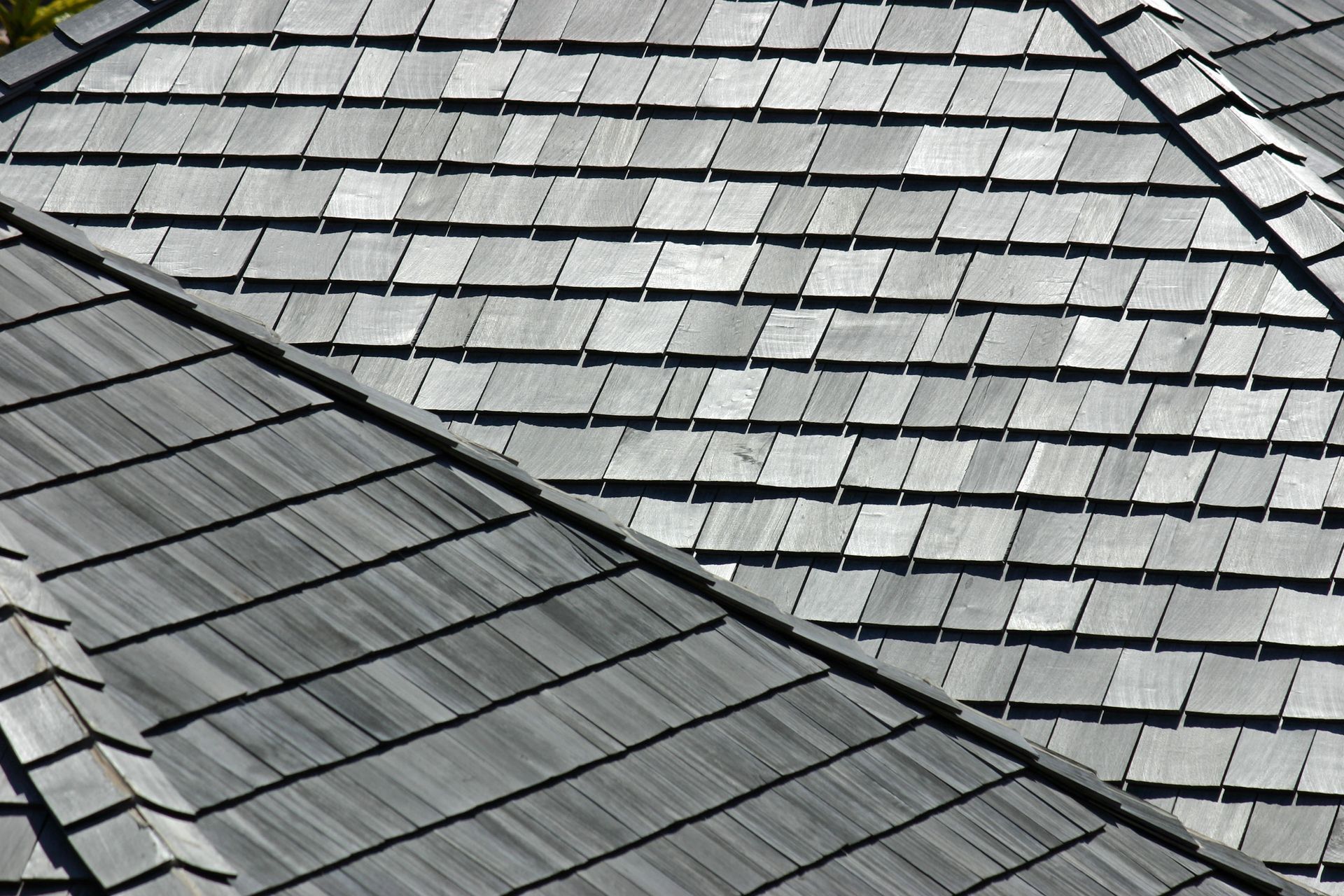
Wood shakes and machine-sawn shingles deliver a warm, historic visual aesthetic that synthetic materials often struggle to match. Typically hand-split from dense Western red cedar, redwood, or cypress heartwood, wood shakes exhibit textured, rustic grain profiles that weather naturally into dignified silver-gray tones over time. Their organic fibrous density provides natural thermal insulation, keeping attic temperatures regulated and providing exceptional dimensional stability against wind uplift forces.
However, natural wood roofing requires meticulous, ongoing maintenance to prevent premature rot, fungal growth, and destructive insect infestations. Damp leaves and roof debris must be swept away promptly, while chemical water-repellent preservatives and moss inhibitors must be reapplied periodically to shield wood fibers from splitting under intense sunlight. In wildfire-prone areas, untreated cedar shakes present severe ignition risks, prompting stringent municipal building restrictions unless expensive fire-retardant pressure treatments are applied. Consequently, property owners desiring the rich appearance of cedar without the grueling maintenance often seek out modern composite roofing services to achieve authentic wood textures through durable polymer formulations.
4. Laying Natural Slate
Natural slate roofing stands as the gold standard of architectural prestige, gracing distinguished luxury estates and historic structures for centuries. Sourced from deep underground geological quarries, each metamorphic slate tile displays distinctive organic textures, split clefts, and rich mineral colors spanning deep unfading blacks and purples to soft sea greens. Renowned for zero water absorption, genuine slate stone is completely impervious to rot, freeze-thaw cracking, and structural fires.
The extraordinary endurance of quarried slate comes with heavy structural prerequisites and substantial material expenses that exclude it from standard budgets. Natural stone tiles possess immense physical weight, frequently demanding specialized structural engineering evaluations and additional attic timber framing before installation can safely proceed. Furthermore, individual slate shingles are brittle and can fracture if walked upon carelessly by inexperienced contractors, making specialized installation techniques essential. For luxury homeowners who want the timeless prestige of natural stone without excessive roof framing reinforcement, consulting providers of composite roofing services offers a lightweight, high-performance pathway to achieving genuine slate elegance.
5. Hanging Clay Tiles
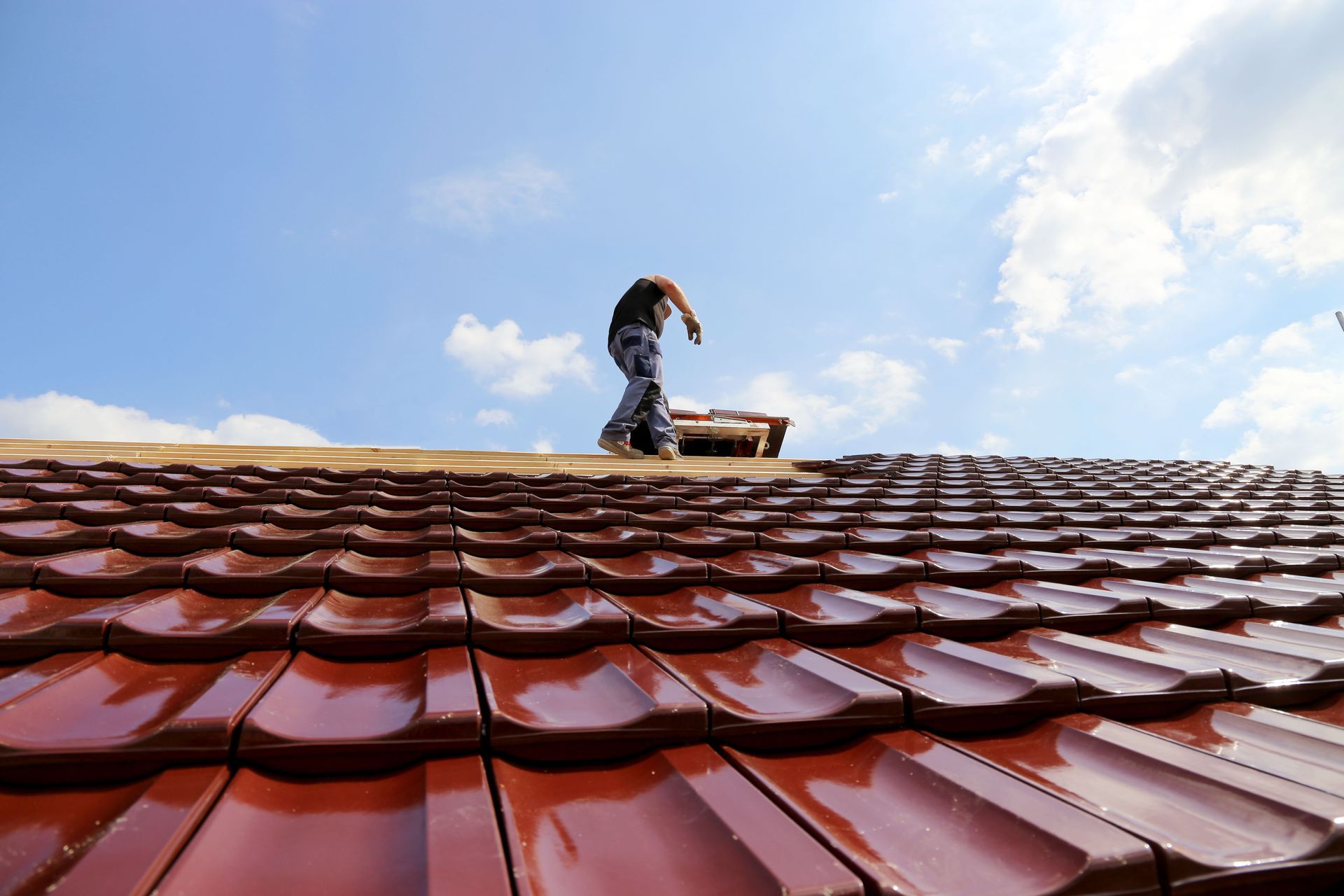
Clay and architectural concrete tiles represent a celebrated roofing choice, defining the iconic architectural character of Spanish Colonial, Tuscan, and Mediterranean homes. Traditional clay barrel tiles are shaped from earthen clay and fired inside intense kilns, producing deep terra-cotta colors that never fade under punishing solar exposure. Their undulating barrel curvature establishes a continuous ventilation channel beneath the roofing surface, allowing heated air to circulate away from the building deck and keeping indoor environments naturally temperate.
The primary limitation of traditional tile installations centers on their extreme structural weight and vulnerability to blunt physical impacts. Much like natural slate, heavy clay barrel assemblies demand reinforced roof trusses to safely support the tremendous dead load resting across the home. Walking across fragile ceramic tiles during gutter cleanouts or exterior painting can easily crack individual pieces, requiring delicate repair work to prevent hidden leaks. When older structures cannot accommodate heavy masonry weights, homeowners often evaluate engineered alternatives, using specialized composite roofing services to install interlocking simulated tiles that replicate classic Spanish curves using shatterproof, impact-resistant materials.
6. Adopting Synthetic Composites
Synthetic composite roofing materials represent the newest technological frontier in modern exterior building products, blending timeless natural beauty with advanced materials science. Manufactured using specialized formulations of mineral-filled polymers, recycled automotive plastics, and dense virgin rubber compounds, these synthetic systems accurately replicate hand-split cedar shakes, quarried slates, and clay tiles. Detailed molds crafted from authentic natural materials capture subtle grain variations, chiseled edges, and organic color shading across every shingle.
Beyond striking aesthetic realism, engineered synthetic roofing delivers unmatched physical durability that outperforms organic building materials across harsh climates. Advanced composite formulas achieve Class 4 impact ratings, effortlessly deflecting large hailstones, resisting foot traffic damage, and maintaining Class A fire ratings. These non-porous polymer tiles will never absorb moisture, rot, peel, or sustain freeze-thaw delamination, virtually eliminating the tedious maintenance associated with natural cedar or fragile stone. Partnering with certified contractors for dedicated composite roofing services ensures that proprietary interlocking tabs and high-performance underlayments are installed to exact factory standards, maximizing energy efficiency and safeguarding your home for up to fifty years.
Selecting the optimal roofing material requires balancing long-term structural resilience, climate resistance, architectural beauty, and overall project costs. While traditional asphalt remains a budget-friendly staple and natural slate provides centuries of prestige, modern composite systems offer an extraordinary blend of low maintenance, impact strength, and classic design. If you are comparing authentic cedar textures, sleek standing-seam metal, or durable engineered polymers, hiring an experienced contractor ensures your investment is installed with exceptional craftsmanship. When your home demands the finest roof installations, reliable replacements, and dependable composite roofing services, contact the exterior specialists at Totin Too, LLC.